Insights
Editorial thought leadership on emotional intelligence, psychological safety, and team dynamics — grounded in our proprietary point of view.
emotional-intelligence
The Meeting You Can't Stop Replaying — and What Your Body Already Knows Every week there's one meeting you can't stop replaying. That's not weakness — it's information. The practice is naming it in one word, so the next meeting lands different. 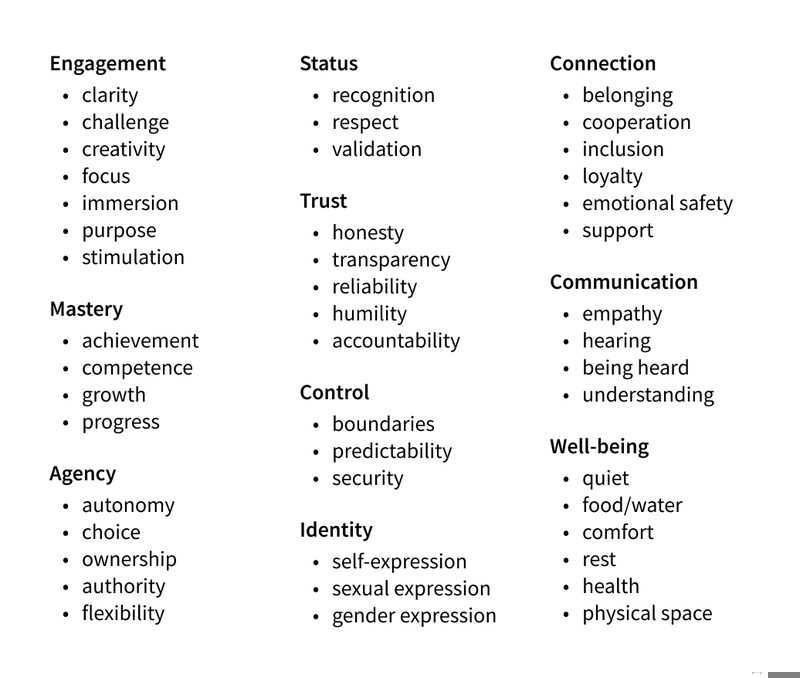 You're Not Too Sensitive — You Have an Unmet Need Every trigger is a need asking to be heard. Name the need underneath the reaction and you stop fighting people and start solving the actual problem.
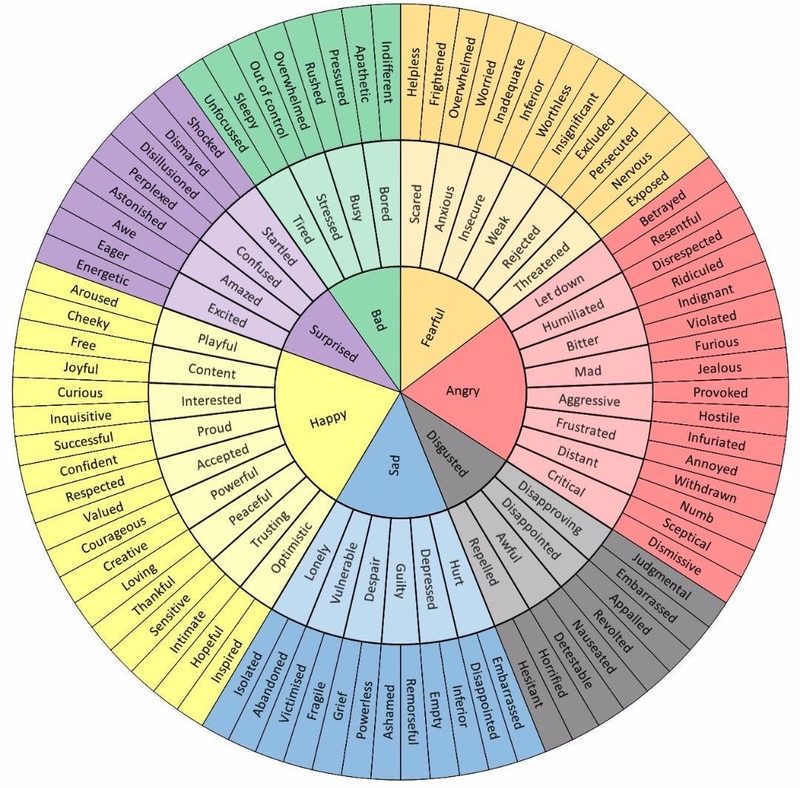 Name It to Tame It: The Feeling Underneath the Feeling "Fine" and "stressed" aren't emotions — they're escape hatches. The precise word for what you're feeling is the one that changes what happens next.
 Your Emotions Didn't Start With You — They Were Taught Before you had words for them, you learned which emotions were safe to show and which ones to hide. Naming that early conditioning — and what it still costs you at work — is where emotional intelligence actually begins. Reading the Room on a Remote Team Is a Skill You Build, Not One You Bring Distributed teams lose the ambient signal that in-person teams read for free. The fix isn't better cameras — it's replacing intuition with deliberate ritual that makes emotional data visible again. Psychological Safety Is the Price of Admission for Honest Feedback Feedback culture doesn't fail because people lack candor. It fails because it isn't safe to be candid. Psychological safety is the precondition, and it's built through response, not permission. Emotional Intelligence on Teams Is a System Property, Not a Personality Trait Emotional intelligence on a team isn't the sum of individual EQ scores. It's a property of how the team notices, names, and responds to what people are feeling — and it can be built deliberately.
You're Not Too Sensitive — You Have an Unmet Need Every trigger is a need asking to be heard. Name the need underneath the reaction and you stop fighting people and start solving the actual problem. Name It to Tame It: The Feeling Underneath the Feeling "Fine" and "stressed" aren't emotions — they're escape hatches. The precise word for what you're feeling is the one that changes what happens next. Your Emotions Didn't Start With You — They Were Taught Before you had words for them, you learned which emotions were safe to show and which ones to hide. Naming that early conditioning — and what it still costs you at work — is where emotional intelligence actually begins. Reading the Room on a Remote Team Is a Skill You Build, Not One You Bring Distributed teams lose the ambient signal that in-person teams read for free. The fix isn't better cameras — it's replacing intuition with deliberate ritual that makes emotional data visible again. Psychological Safety Is the Price of Admission for Honest Feedback Feedback culture doesn't fail because people lack candor. It fails because it isn't safe to be candid. Psychological safety is the precondition, and it's built through response, not permission. Emotional Intelligence on Teams Is a System Property, Not a Personality Trait Emotional intelligence on a team isn't the sum of individual EQ scores. It's a property of how the team notices, names, and responds to what people are feeling — and it can be built deliberately.